R22, R32 and R410A Aircond Refrigerant Explained
What R22, R32 and R410A refrigerant are, which aircond units use which, and why matching the right refrigerant matters.
What Refrigerant Actually Does
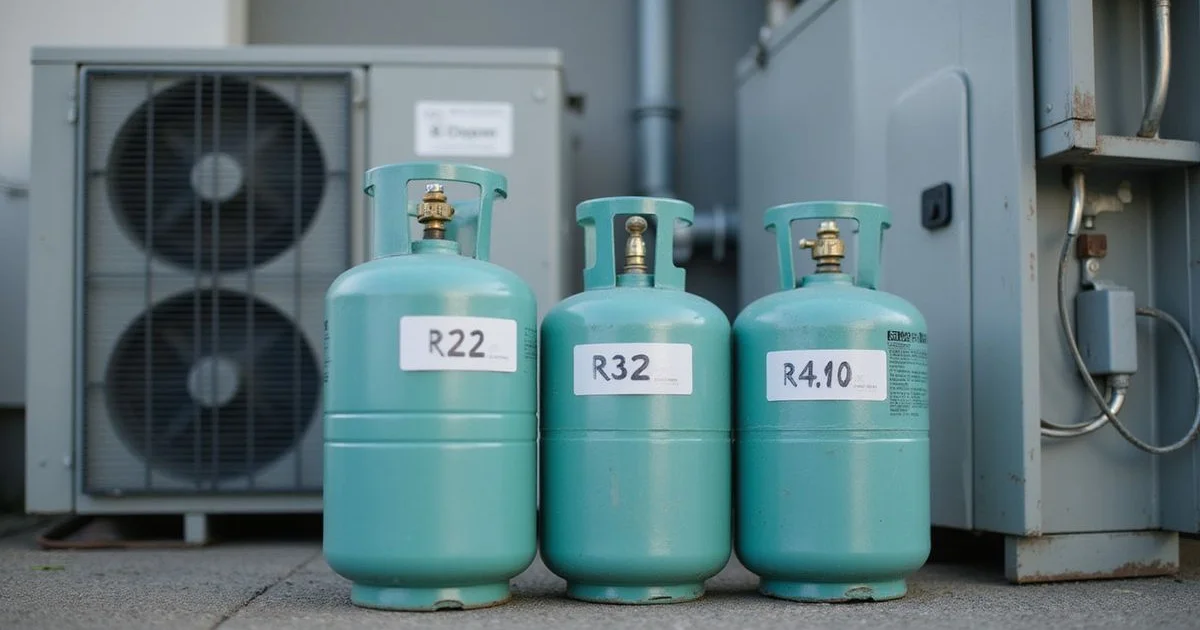
Refrigerant is the chemical that makes cooling possible. It absorbs heat from your room and releases it outside, circulating continuously between the indoor and outdoor units. It is not a fuel and it is not consumed: it runs in a sealed loop, so a healthy aircond never needs more.
That single fact matters. If your unit is low on refrigerant, gas has escaped through a leak. Our gas top-up service handles R22, R32 and R410A, the three refrigerants you will find in Ipoh homes, and always tests for a leak first.
The Three Refrigerants You Will Meet
The age of your unit usually tells you which one you have.
R22: The One Being Phased Out
R22 was the standard for residential cooling in Malaysia for decades, and older units still rely on it. Because the chemical harms the ozone layer, the Department of Environment gazetted regulations in 2020 targeting zero R22 use by 2030. As supplies shrink, repair costs for R22 units keep climbing. For most homeowners with an old R22 unit, a full upgrade now makes more sense than paying for an R22 leak repair.
R410A: The Interim Replacement
Manufacturers introduced R410A in the 2000s as an ozone-friendly replacement for R22. Most inverter units installed between roughly 2010 and 2018 run on it. R410A operates at a high pressure of around 400 PSI, which is why it needs thicker copper piping and heavy-duty gauges. Its drawback is a high Global Warming Potential of 2088, which pushed the industry toward a cleaner option.
R32: The Current Standard
R32 is now the standard for new residential units, used by Daikin, Panasonic, Midea and others. It is a single-component gas with a much lower Global Warming Potential of 675, and it transfers heat up to 10 percent more efficiently than R410A, which often shows up as a slightly lower electricity bill. A standard split-unit R32 refill in 2026 typically costs RM80 to RM150 depending on the required charge.
Comparison at a Glance
| Refrigerant | Common In | Ozone Impact | Global Warming Potential | 2026 Availability |
|---|---|---|---|---|
| R22 | Pre-2010 units | High (HCFC) | 1810 (moderate) | Limited, costly |
| R410A | 2010 to 2018 units | None | 2088 (very high) | Good |
| R32 | 2018 to present units | None | 675 (lower) | Excellent |
Why matching matters
Each refrigerant runs at a different pressure and has different thermodynamic properties. Mixing gases, such as adding R410A to an R32 system, destroys the compressor and produces inaccurate pressure readings. There is no safe substitution.
How to Check What Your Unit Uses
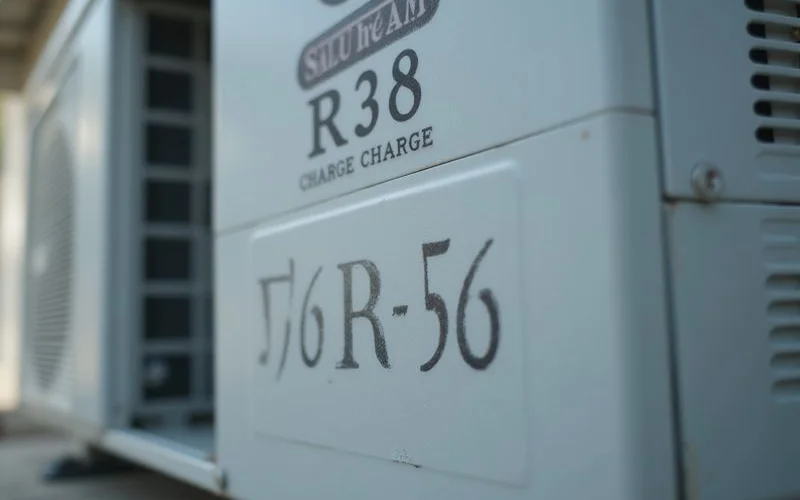
The fastest way is the manufacturer label on the side of the outdoor condenser. It prints the refrigerant type and the factory charge in grams. The model-number sticker on the indoor blower often shows it too.
If the main sticker is faded, you can also find the gas type in the user manual under technical specifications, on the original purchase invoice, or stamped on the metal compressor casing inside the outdoor unit. Guessing is an expensive mistake, since the wrong refrigerant can ruin a compressor, so we never add gas until the type is confirmed.
If you are seeing a cooling problem, the signs of low refrigerant guide helps you confirm the symptoms. A free gas top-up is included with every aircond repair, with the leak fixed first. For a professional check anywhere across Ipoh and the Kinta Valley, book a refrigerant top-up and our technicians will confirm the type, test for leaks and give you an honest diagnosis.
Need a senior technician you can trust?
Fixed transparent pricing, a free gas top-up on every chemical wash and repair, and a 30-day workmanship warranty. We serve Ipoh and the wider Kinta Valley.